





This post
dives into Rocker Arms, covering Diagram, Parts,
Function, Material, Types, Advantages, and Uses
with illustrations.
¡¡
¡¡
¡¡
¡¡
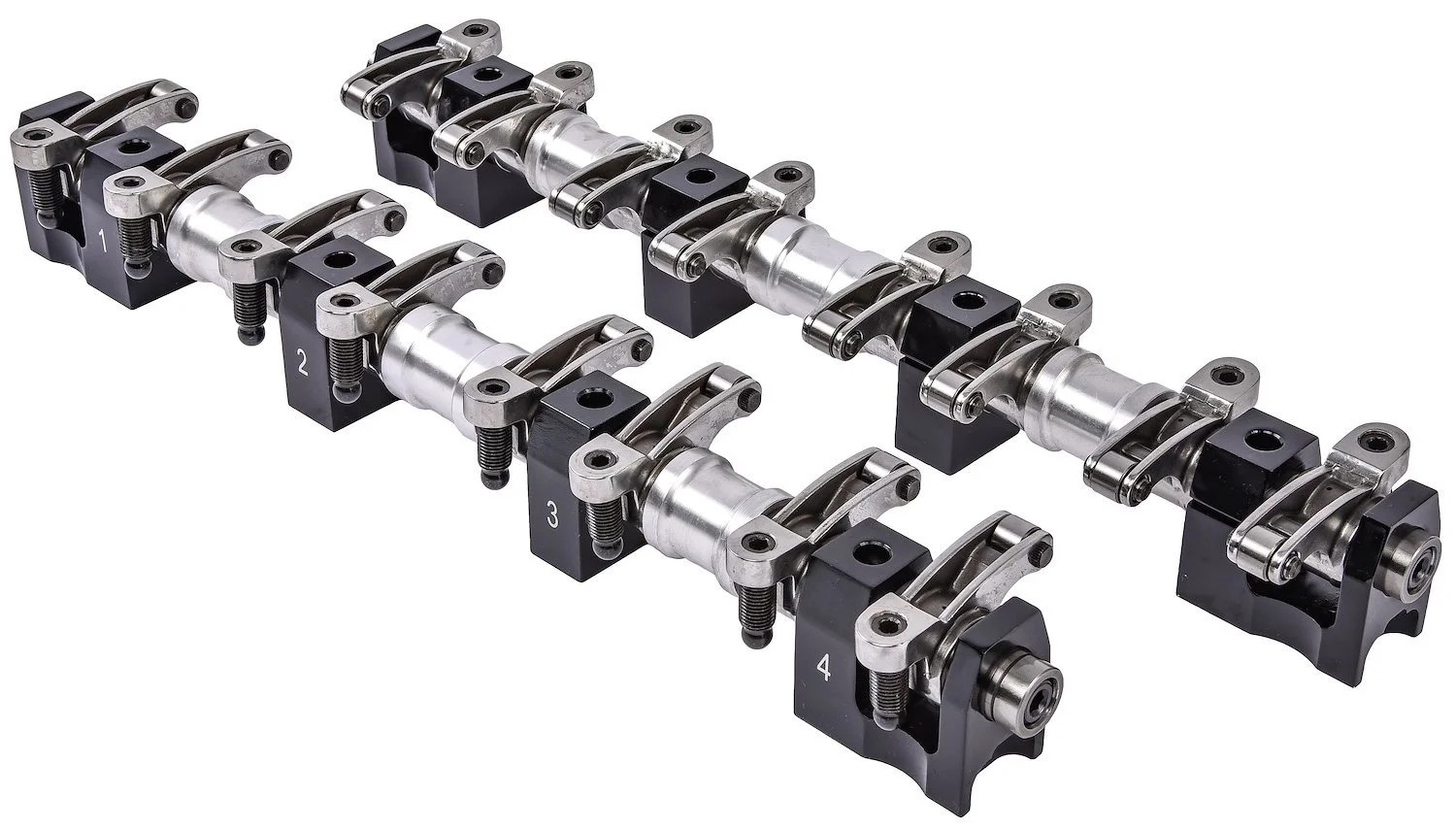
What are Rocker Arms?
Rocker arms, central
levers in an engine¡¯s
valve train, transfer
rod motion to open
engine valves. Operated
by a pushrod from the
camshaft, they come into
direct contact with
tappets and shaft
movement. One end
contacts the tappet and
the other connects to
intake and exhaust
valves. When triggered
by the camshaft, the
rocker arm lowers,
opening the valve for
air and fuel.
This process applies to
both engine valves. A
durable spring supports
displacement and returns
valves to their starting
positions at high
speeds, maintaining
constant contact with
rocker arms. Car rocker
arms are typically
crafted from stamped
steel or aluminum in the
case of higher-revving
models. Some roller
rockers include a
bearing at the contact
point to minimize wear
and friction.
¡¡
¡¡
¡¡
¡¡
Rocker Arm Definition
The rocker arm
is the component responsible for
transferring the camshaft¡¯s
movement to the intake and
exhaust valves of the engine.
¡¡
Components of Rocker Arm
Following are
the main
components of a
Rocker Arm:
•
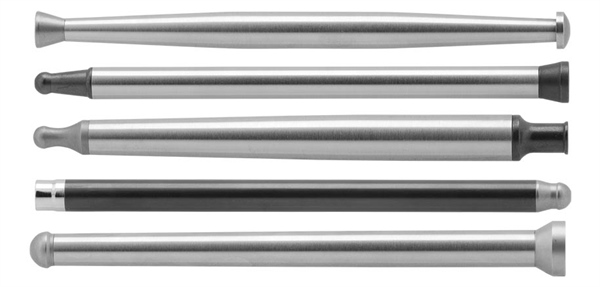
Pushrod
•
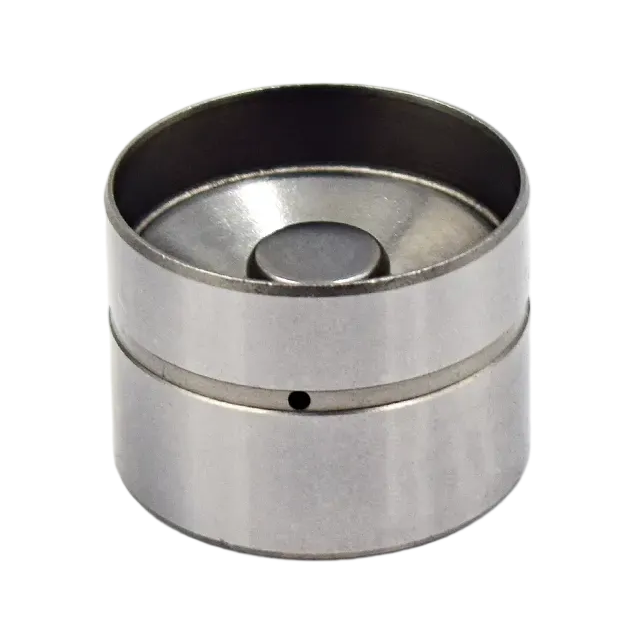
Tappet
•
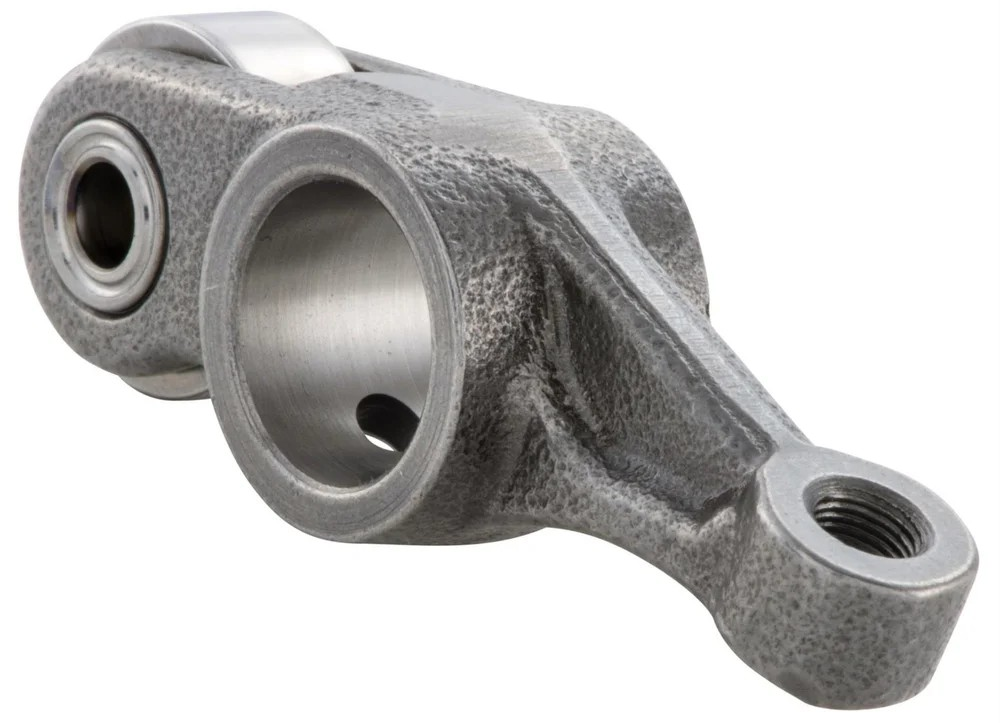
Rocker
•
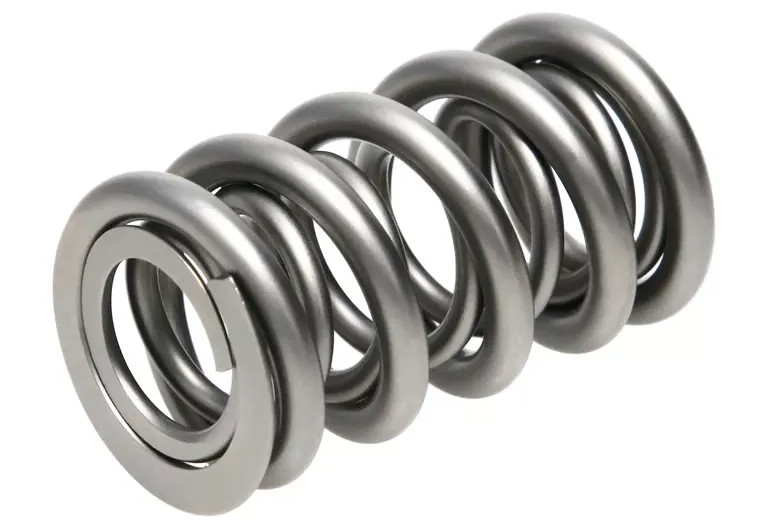
Valve spring
•
Cam
•
Valve
Pushrod
At
the engine¡¯s top, the
pushrod presses against
one side of the rocker
arm, causing it to
rotate. This rotation
opens the valve by
moving its top downward.
Tappet
In
internal combustion
engines, the tappet
refers to the mechanical
components between the
camshaft and the valve.
These components convert
the camshaft¡¯s
rotational movement into
the poppet valve¡¯s
alternating linear
movement for opening and
closing.
Rocker
Used in internal
combustion engines, a
rocker conveys pushrod
motion to the
appropriate
intake/exhaust valve.
Valve
Spring
The valve spring helps
keep the valve closed,
providing back pressure
to rocker arms and cam
bucket in overhead valve
engines.
Cam
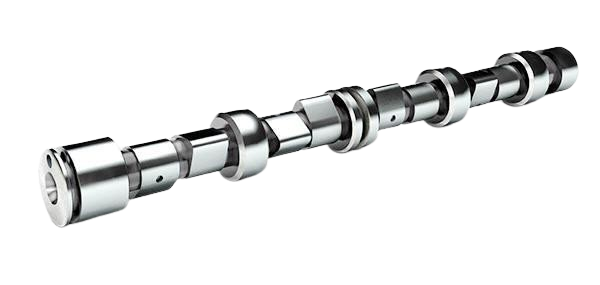
The camshaft converts
rotational motion into
reciprocating motion,
causing valves to open
and close at the right
time. Rocker arms,
levers fixed on a
fulcrum, receive motion
from the pushrod moved
by the lifter on the cam
lobe.
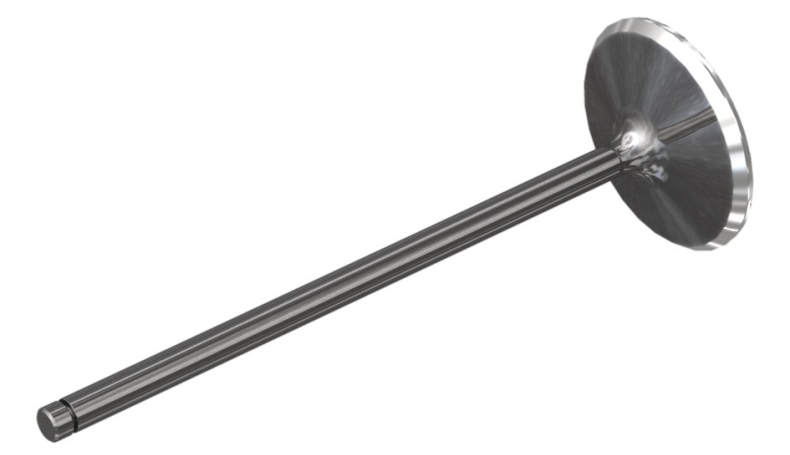
Valve
A
camshaft cam triggers
the rocker arm to lower,
allowing the valve to
open for the fuel and
air mixture to enter the
combustion chamber. This
occurs for both intake
and exhaust valves.
¡¡
¡¡
¡¡
¡¡
¡¡
¡¡
Rocker Arms Functions
•
Rocker
arm¡¯s function is crucial for
understanding its role in cars.
•
It acts as a
lever, moving engine parts like
pushrods, valves, and lifters.
•
Rocker arm
rotation engages camshaft nodes
with lobe-shaped structures,
causing up-and-down movement.
•
This
process converts mechanical
energy into force, pressing
against engine valves with
hydraulic or spring pressure.
•
Valves
open and close regularly,
enabling controlled release of
remaining fuel and air during
combustion in each cylinder.
¡¡
¡¡
¡¡
¡¡
Rocker Arms Types
Following are the main
types of rocker arms:
•
Roller-Tipped Rocker Arm
•
Stamped Steel Rocker Arm
•
Shaft Rocker Arm
•
Full Roller Rocker Arm
¡¡
¡¡
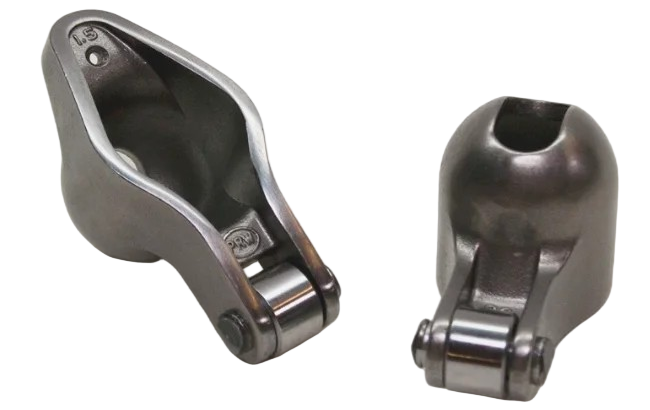
Roller-Tipped Rocker Arm
Similar to stamped steel
rockers, these feature a
roller at the valve end
for less friction,
somewhat increased
power, and reduced wear
on valve tips. The
Roller-Tipped Rocker Arm
still uses the trunnion
pivot nut and stud for
simplicity and can be
made from steel,
aluminum, castings, or
machined parts.
¡¡
¡¡
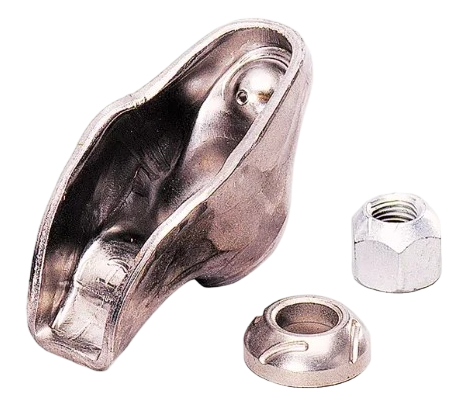
Stamped Steel Rocker Arm
The most popular type,
these are typically made
from stamped steel,
providing an easy and
cost-effective
manufacturing process by
stamping from a single
piece of metal. The
rocker is secured in
place by a trunnion
pivot with a rounded
bottom nut, allowing
straightforward vertical
movement while ensuring
stability.
¡¡
¡¡
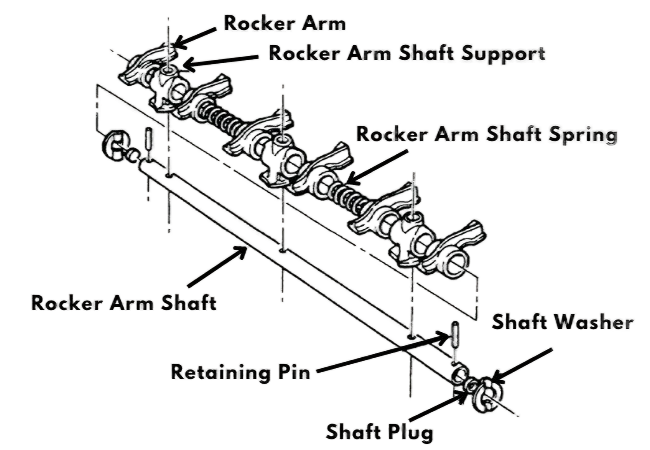
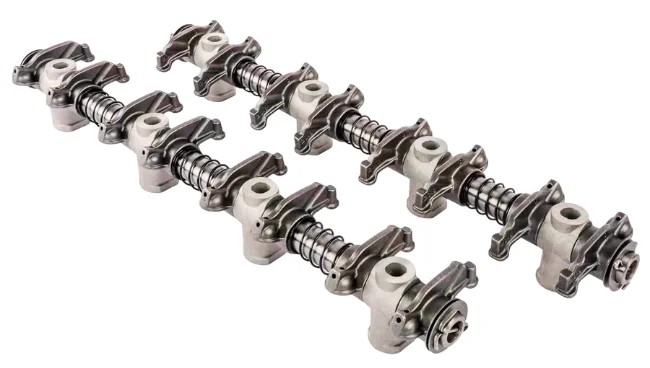
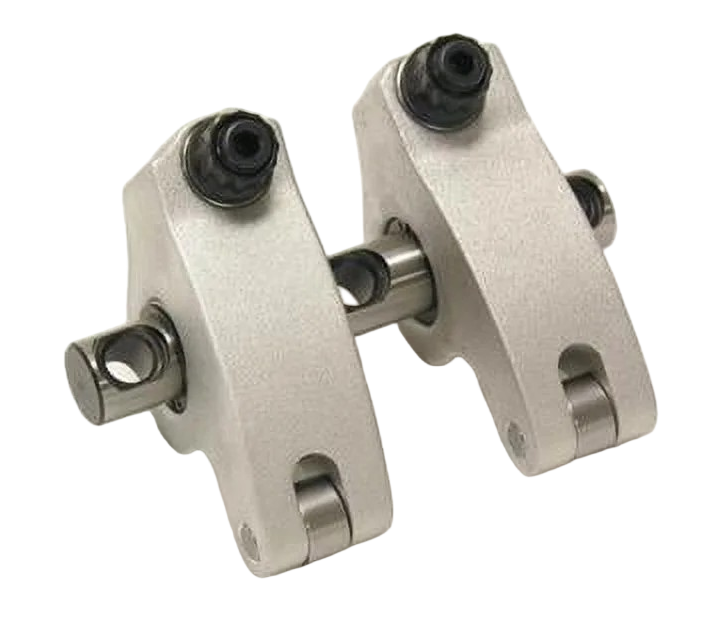
Shaft
Rocker Arm
Built on the foundation
of full roller rocker
arms, shaft rocker arms
incorporate a connecting
shaft. In some
instances, the shaft
passes through all
rocker arms, while in
others, it may pass
through only two,
depending on the head
construction.
The shaft is essential
for rigidity, ensuring a
robust valve train that
minimizes deflection and
prevents uncontrolled
movement, especially at
higher RPMs.
¡¡
¡¡
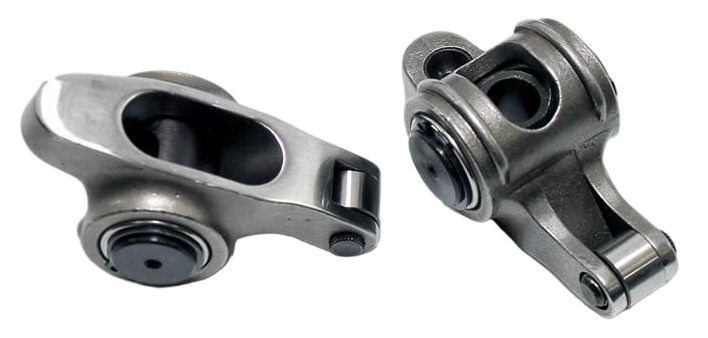
Full
Roller Rocker Arm
A
complete roller rocker
arm, distinct from
stamped steel rockers,
is typically made of
machined steel or
aluminum. In this type,
bearings replace the
trunnion pivot,
providing enhanced
performance.
While still using the
stud from the trunnion
pivot, they forgo the
nut. Instead, a small
shaft, tightly screwed
into position, features
bearings on both ends
inside the rocker,
facilitating smooth
rotation.
¡¡
¡¡
¡¡
¡¡
Rocker Arm Materials
In the
past, mass-produced car engines
favored cost-effective stamped
steel rocker arms. These arms
support the reciprocating
valvetrain weight, which can be
problematic at higher RPMs,
leading high-speed engines to
opt for aluminum versions.
¡¡
In such
cases, upgraded bearings for the
rocker arm fulcrum are also
common. Diesel truck engines
often utilize forged carbon
steel or ductile cast iron for
rocker arms.
¡¡
¡¡
¡¡
¡¡
Symptoms of A Bad Rocker
Arm
Following
are the main symptoms of a Bad
Rocker Arm:
¡¡
Clicking or Ticking
Noise
Worn rocker arms often
manifest with clicking
or ticking noises,
commonly heard from the
top of the engine.
Illuminated Check Engine
Light
A
check engine light is
used to signal various
issues. .This includes
broken rocker arms and
other related problems.
Codes such as P2647 or
P2646 indicates logging
of rocker arm-related
trouble codes by the
powertrain control
module (PCM).
Engine
Misfire
A
damaged rocker arm can
cause stalling or
misfiring in your car¡¯s
fuel combustion process.
¡¡
¡¡
¡¡
¡¡
Rocker Arm Advantages
Following
are the main advantages of
Rocker Arm:
•
Transmits camshaft
motion to open valves.
•
Converts camshaft¡¯s
rotary motion into
vertical motion for
valve operation.
•
Distributes wear and
load on the camshaft.
•
Prevents direct impact
of camshaft lobes on
valves, reducing wear
and potential premature
failure.
•
Some designs include
movable rocker arms for
precise valve clearance
adjustment.
•
Simplifies and compacts
valve train geometry.
•
Reduces overall inertia
in comparison to
direct-acting valve
systems, enhancing
engine responsiveness,
especially at higher
RPMs.
¡¡
¡¡
¡¡
¡¡
Rocker Arm Disadvantages
Following
are the main disadvantages of
Rocker Arm:
•
Frequent movement and
contact with other
engine parts subject
rocker arms to wear and
friction, necessitating
more frequent
maintenance.
•
Rocker arms contribute
to valvetrain complexity
in an engine.
•
The added weight from
rocker arms prompts
vehicle engineers to
prioritize weight
reduction for optimal
performance and fuel
economy.
•
Reduced weight may
contribute to valvetrain
noise, especially in
engines with aggressive
cam profiles and
increased valve lift.
•
Continuous movement and
stresses on rocker arms
can eventually lead to
fatigue and failure.
¡¡
¡¡
Quick Links
Contact Info
Welcome to visit us
YuHuan
NewCams
Machinery
Manufacture Co.,Ltd.
We complete every process carefully and
provide the best service for
each vehicle.